Low-pressure UV-C lamps
Low-pressure UV-C lamps, also known as germicidal lamps, emit nearly monochromatic light at 254 nm—close to the peak of DNA absorption—making them highly effective for microbial inactivation. This targeted wavelength ensures efficient disinfection with minimal energy losses to non-useful spectra. Typically characterized by their elongated design, these lamps are applied in a wide range of applications. For instance in large-scale installations such as municipal drinking water treatment, where reliability, efficiency, and consistent performance are critical. Their high electrical efficiency and long operational lifetime make them a cost-effective and sustainable solution for continuous disinfection processes.
Monochromatic output at 254 nm, highly effective for disinfection.
Proven, reliable technology with high electrical efficiency.
Long lamp lifetime reduces replacement frequency and also results in low operational costs (OPEX).

Types of Low-Pressure UV-C Lamps
There are two main types of low-pressure UV-C lamps, each with specific performance characteristics:

Low-pressure and low-pressure high output UV-C lamps
These are the industry standard for germicidal applications. They offer high electrical efficiency, cost-effectiveness, and reliable performance, making them ideal for continuous operation in a wide range of disinfection systems.
Amalgam UV-C lamps
Amalgam lamps contain mercury in an alloy form, which acts as a pressure regulator. This stabilizes UV output across varying temperatures and allows operation at higher power levels. As a result, amalgam lamps deliver higher UVC output and longer lifetimes. Although they are more complex and costly to produce, they offer a strong return on investment over time.
Temperature management
The performance of low-pressure UV-C lamps is closely linked to water and ambient temperature. UV output depends on mercury vapor pressure, which varies within a defined temperature range depending on the lamp – protection sleeve combination. Maintaining stable water temperatures ensures consistent system performance, particularly in applications with fluctuating conditions. The water temperature for common applications has a range of 10 – 20 °C.

Lamp placement and maintenance
Correct lamp positioning is essential to ensure uniform UV dose distribution within the treatment chamber. Fouling of quartz sleeves can reduce UV-C emission into the water, making regular cleaning critical for maintaining performance. Many systems are equipped with cleaning mechanisms that manual or periodically clean the lamp protection sleeves, reducing maintenance and ensuring consistent operation.

Mercury content & recycling
Low-pressure UV lamps contain very small amounts of mercury (Hg), often in solid amalgam form rather than free liquid, minimizing the risk of release. Lamps are collected and recycled through controlled processes, and production increasingly relies on recycled mercury, supporting a closed-loop lifecycle.
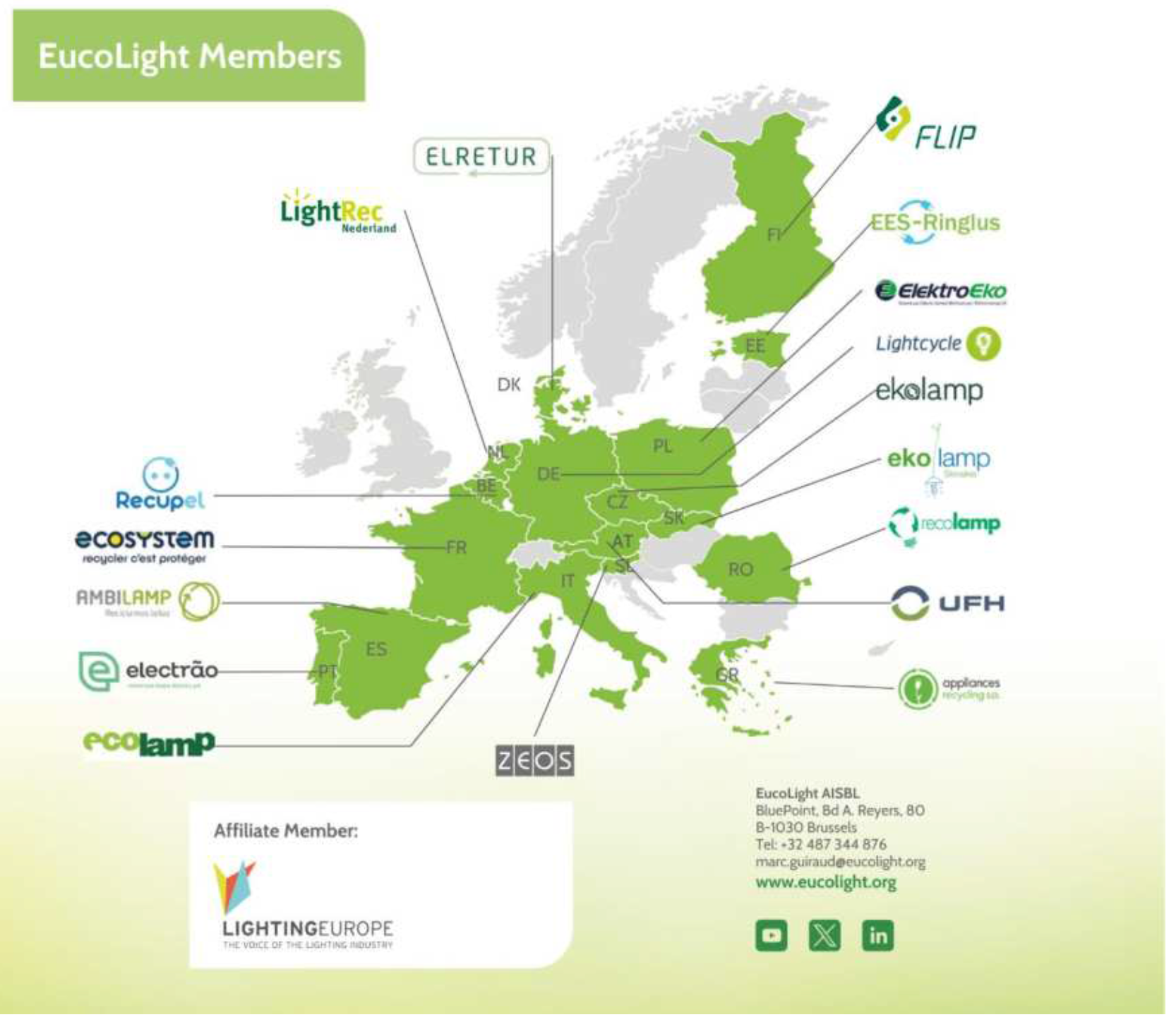
Collection and recycling of UV lamps is effectively organized by organizations in EU Member States. The recycling collection rates exceed legal requirements, increasing from 54% in 219 to 61% in 2022 (source: EucoLight). The material re-use of these lamps is significant – more than 80% of the material is reused and the mercury is removed from the gas discharge lamps and recovered in specialised facilities by distallation.
Safety during operation
As with all UV technologies, exposure to UV-C radiation must be avoided; therefore, reactors are designed as closed systems with safety interlocks. In the rare event of lamp breakage, the small amount of mercury is typically contained within the system, and standard safety procedures ensure safe handling and cleanup.

CO₂ footprint
Low-pressure UV-C lamps are highly energy-efficient, converting a large proportion of electrical energy into useful UV-C output. This results in a relatively low CO₂ footprint during operation, especially in continuous, large-scale applications such as drinking water treatment. Combined with long lamp lifetimes and low maintenance requirements, this makes low-pressure systems one of the more sustainable UV disinfection solutions available.
Other relevant pages:


Want to know more?
Do you want to collaborate on a sustainable water chain? Are you interested in how UV technology can contribute to achieving your sustainability goals? Contact us or meet us at events.